
Acton Emergency Services Station
—
Acton
THE PROJECT —
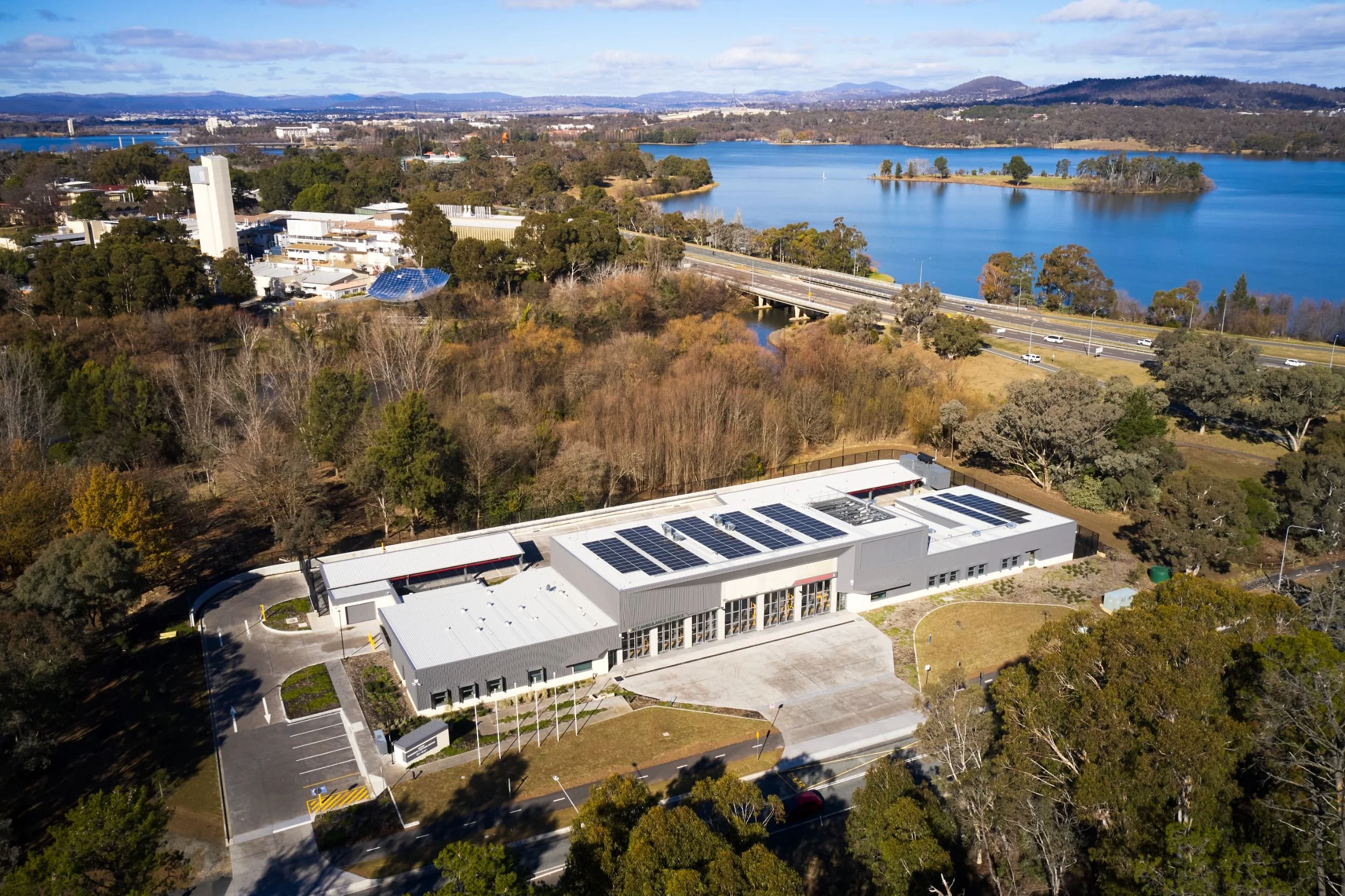
The Acton Emergency Services Station on Clunies Ross Street in Acton delivers a critical 24/7 operational facility for ACT Fire & Rescue (ACTF&R) and ACT Ambulance Service (ACTAS), combining innovation, environmental sustainability and technical excellence within a highly constrained site.
COMPLETED
2026
HIGHLIGHTS
Constructed on previously undeveloped land, the project required approximately 30,000 m³ of engineered fill, extensive authority service relocation and delivery of new infrastructure, all adjacent to Sullivans Creek and a major arterial road. These conditions created significant civil, environmental and governance challenges that were resolved through rigorous planning, stakeholder coordination and disciplined construction management.
-
Located within a BAL29 bushfire‑prone area, the development demanded stringent compliance measures across the entire building envelope. The most significant innovation addressed a major compliance conflict at the fast‑action bi‑fold Appliance Bay doors, where conventional BAL29 solutions would have compromised response times and reliability. In collaboration with specialist bushfire consultants and ACTF&R, a first‑of‑its‑kind, self‑activating external sprinkler system was engineered. Ultraviolet flame detection beacons trigger pumps drawing from an integrated water system to protect the openings from ember attack and radiant heat. This bespoke solution preserves operational performance while achieving regulatory compliance and represents a pioneering application in an Australian emergency services facility.
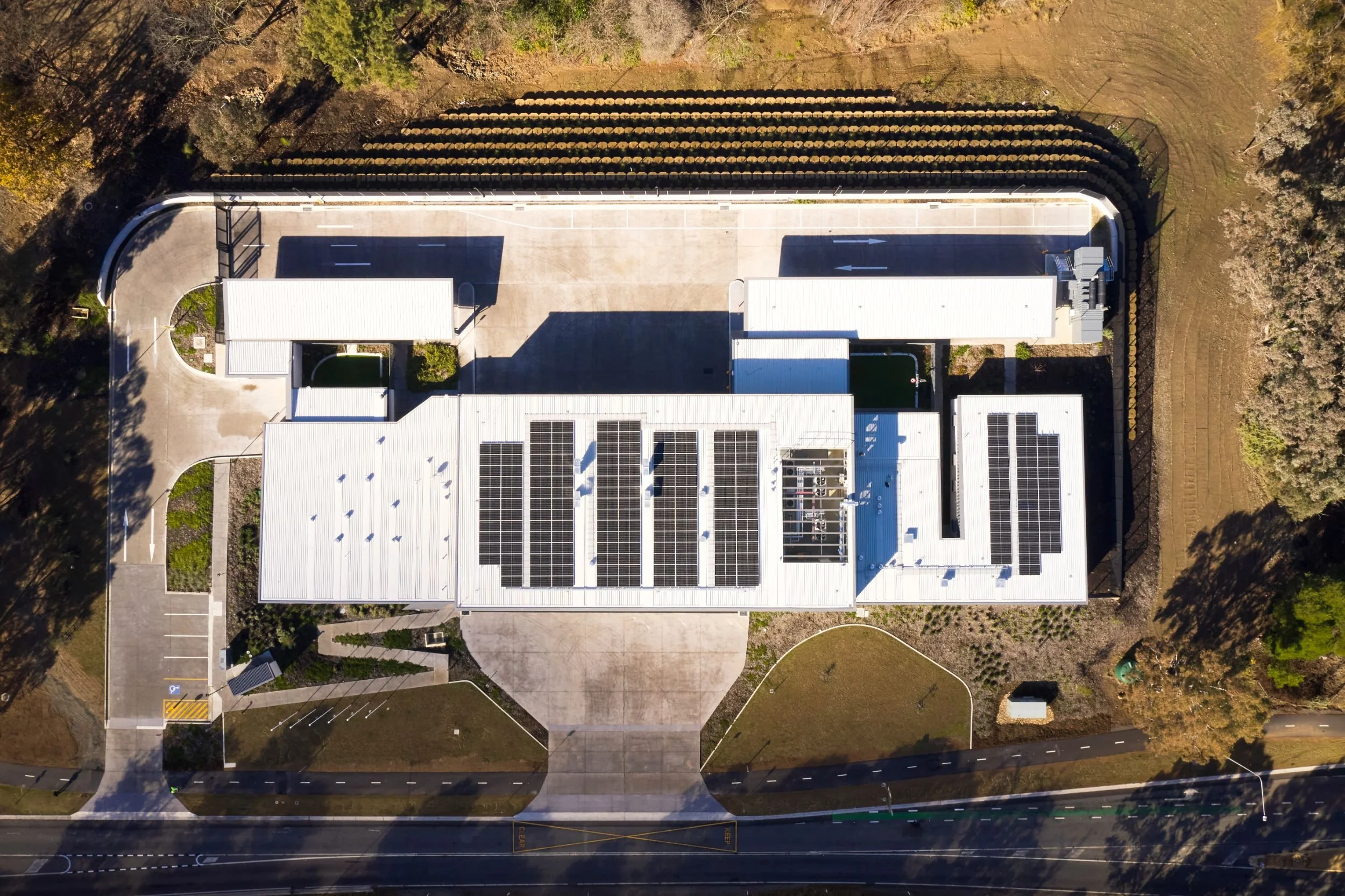
Environmental sustainability was embedded from concept to completion. The building complies with NCC Section J energy provisions and incorporates rooftop solar generation, advanced energy and water metering, intelligent lighting controls and a 10,000‑litre rainwater harvesting system. Dual 150 kW EV charging stations within the appliance bays future‑proof the facility for fleet electrification, aligning with ACT Government carbon reduction objectives.
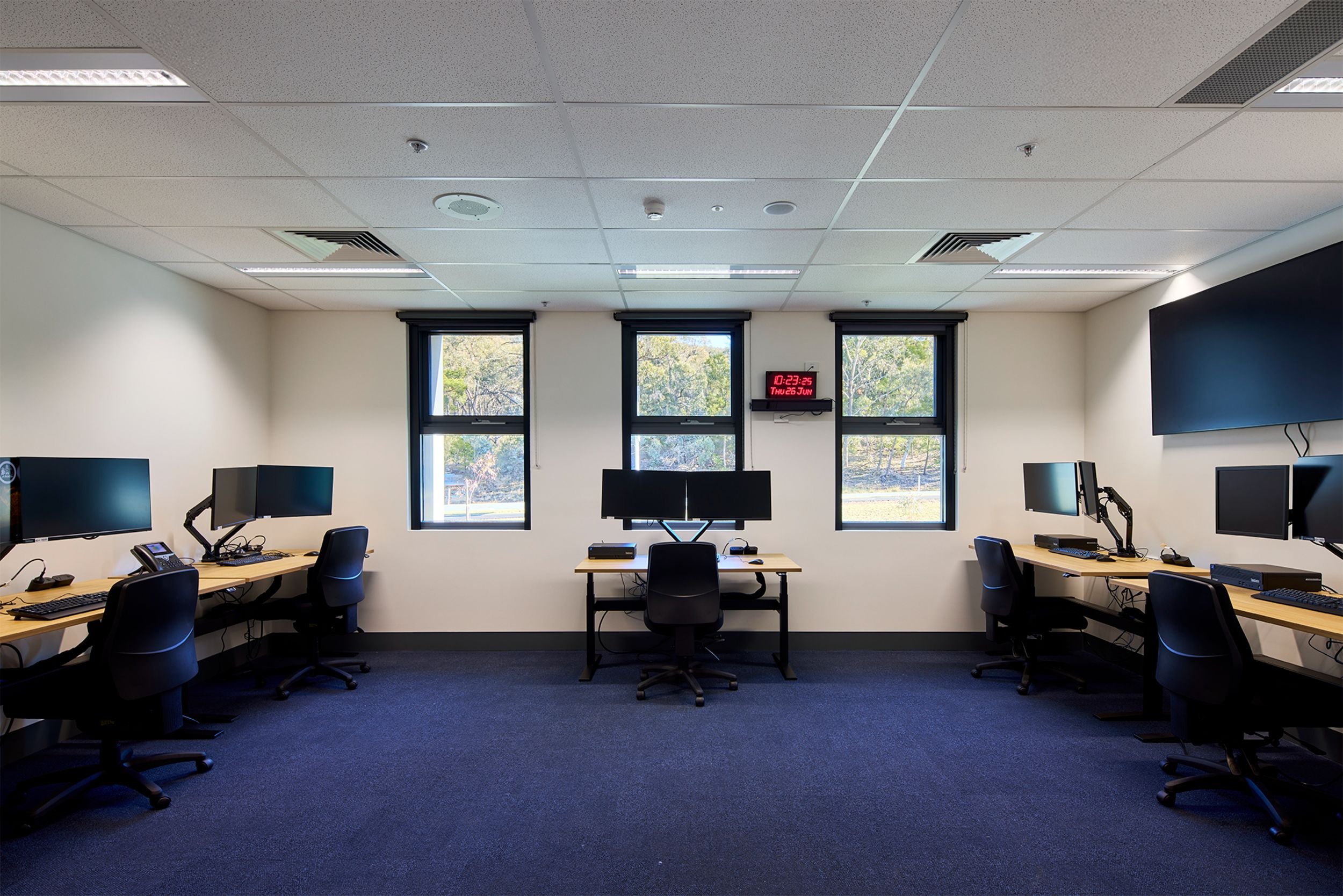
Internally, the facility balances operational durability with occupant wellbeing. Diesel exhaust extraction systems protect staff health, while acoustic treatments, controlled lighting and thoughtfully designed living and recline areas support recovery between emergency responses. Water‑efficient fixtures, waste management strategies, erosion controls, shared fitness facilities and outdoor courtyards with BBQ amenities further demonstrate a human‑centred approach.
Delivered under a fast‑track program within ten months, with design documentation and approvals progressing in parallel, the project demanded disciplined coordination and rigorous quality assurance. TheActon Emergency Services Station stands as a resilient, future‑ready public asset that integrates technical complexity, environmental stewardship and operational innovation to deliver enduring community infrastructure.





-
Construction quality at the Acton Emergency Services Station was driven by its critical 24/7 function, technical complexity and fast delivery program. Built to exceed standard commercial benchmarks, the facility prioritises durability, safety, reliability and ease of maintenance.
Works began with a carefully engineered building platform, including 30,000m³ of imported fill, installed under geotechnical supervision to ensure long-term stability. Strict environmental controls were maintained throughout due to the site’s proximity to Sullivans Creek.
Extensive service coordination included undergrounding power, installing a substation, new water and sewer infrastructure, and integrating stormwater with existing networks. Complex conditions required precise staging and continuous operation of surrounding services.
Key features include an engineered crash barrier system for heavy fire vehicles, a BAL29-compliant façade with tightly controlled detailing, and a bespoke sprinkler system to maintain functionality of appliance bay doors under bushfire conditions.
Internally, the facility focuses on operational performance and hygiene, with specialised exhaust systems, durable finishes, seamless flooring, and rigorously constructed wet areas. High-quality joinery and consistent detailing enhance staff spaces.
Despite the fast-tracked program, disciplined sequencing, proactive quality control and careful site management ensured a high standard of workmanship with minimal disruption to surrounding infrastructure.
Overall, the project demonstrates exceptional construction quality through its structural integrity, compliance, and long-term operational performance.
-
The Acton Emergency Services Station unites ACTF&R and ACTAS within a high-performance, 24/7 facility. Its material strategy balances demanding operational requirements with occupant wellbeing, addressing durability, hygiene, bushfire resilience, acoustic control and longevity.
Operational areas such as appliance bays and response zones utilise robust materials designed to withstand impact, moisture, chemicals and heavy vehicle movement. In contrast, recline and communal spaces incorporate warmer, tactile finishes and acoustic treatments to support rest and recovery.
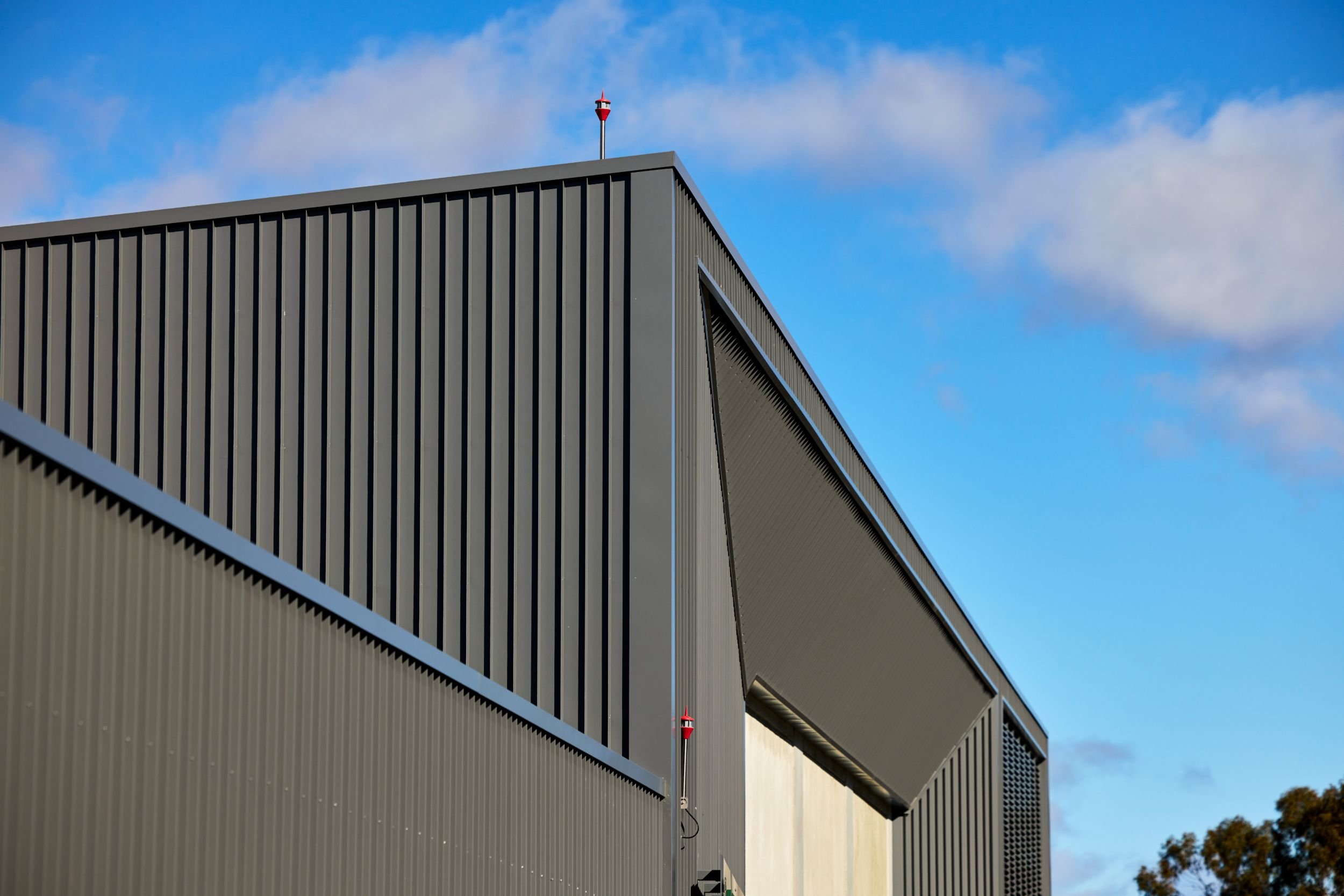
Externally, a combination of brickwork, precast concrete, metal cladding, fibre cement and aluminium elements delivers durability and visual depth. Careful detailing ensures consistent performance across weatherproofing, thermal efficiency and construction interfaces. Bushfire compliance to BAL29 is achieved through integrated ember protection, including stainless steel mesh coordinated with façade and ventilation systems.
Internally, flooring is selected to suit varied risk conditions, with slip-resistant vinyl and seamless coved skirtings enhancing safety and cleanability. Wet areas incorporate fully lined wall systems to minimise maintenance and improve hygiene. A specialised acoustic rubber flooring system in the fitness space supports impact absorption and noise control.
Ceilings and wall systems are designed for both durability and acoustic performance, combining cleanable finishes in operational zones with perforated panels and acoustic treatments in occupied spaces. Joinery and linings prioritise long-term resilience while maintaining a refined finish.
Externally, heavy-duty pavements and concrete hardstands are engineered to accommodate 26-tonne emergency vehicles, ensuring durability under constant use.
Sustainability is embedded through durable, low-maintenance materials, energy-efficient building performance and low-VOC selections to support indoor air quality.
Overall, the material palette delivers a resilient, high-performing facility that supports continuous operation while providing a considered, human-centred environment for its occupants.
-
The Acton Emergency Services Station demonstrates significant technical complexity across civil engineering, authority servicing, bushfire compliance, operational systems integration and fast-tracked delivery.
Constrained and greenfield site conditions
The site presented challenges including steep contours, existing vegetation, undocumented services and proximity to Sullivans Creek, requiring strict environmental controls. With no existing infrastructure, new power, water, sewer and stormwater systems were delivered, alongside complex service coordination along Clunies Ross Street without disrupting a major arterial corridor.Major civil engineering platform
A substantial building platform was formed using 30,000m³ of engineered fill and a bridging layer to ensure long-term stability. Late design changes to accommodate 26-tonne emergency vehicles required upgrades to pavements and the integration of engineered crash barriers without impacting program.BAL29 bushfire compliance
Bushfire requirements added significant technical complexity, particularly for the fast-operating appliance bay doors. A performance-based solution was developed using a bespoke, self-activating sprinkler system with flame detection and on-site water storage, achieving compliance without compromising functionality.High-risk operational systems integration
The facility incorporates complex systems including EV charging infrastructure, diesel exhaust extraction, redundant communications rooms, automated traffic signal integration and controlled access zones. These required precise coordination across multiple disciplines within a constrained footprint.Accelerated delivery under live design development
A fast-track program required construction to proceed alongside ongoing design and approvals. This demanded disciplined sequencing, close authority coordination and proactive risk management to maintain quality and program.Overall, the project reflects a highly coordinated response to layered technical challenges, delivering a resilient, high-performing emergency services facility with a strong focus on long-term operational reliability.
-
Innovation is at the core of the Acton Emergency Services Station, evident in its bushfire mitigation strategy, sustainability initiatives and integration of future‑ready operational technologies. The project moved beyond compliance to deliver first‑of‑its‑kind solutions that enhance safety, performance and resilience.
Bushfire solution – performance-based compliance
A key innovation addressed a major BAL29 compliance challenge with the fast-action bi-fold Appliance Bay doors. Conventional solutions would have compromised speed and reliability, so a performance-based approach was developed in collaboration with bushfire consultants and ACT Fire & Rescue.The result is a bespoke, self-activating external sprinkler system that protects door openings from ember attack and radiant heat without altering functionality. Using ultraviolet flame detection and a connected water supply, the system creates a protective water curtain during a bushfire event. This first-of-its-kind solution balances compliance with operational performance and sets a new benchmark for emergency facilities.
Environmental sustainability design
Sustainability was embedded from the outset, with the building designed to minimise energy and water use through both passive and active strategies. It complies with NCC Section J and incorporates efficient building fabric, shading and orientation.A rooftop solar array offsets base building loads, while advanced metering systems enable ongoing monitoring and optimisation. The inclusion of 150 kW EV charging infrastructure within appliance bays supports future fleet electrification and reduces long-term carbon impact.
Water management and resource efficiency
A 10,000-litre rainwater tank supports non-potable uses and integrates with the bushfire protection system, maximising efficiency and resilience. Water-efficient fixtures reduce consumption across operational areas, while construction waste strategies prioritised landfill diversion and responsible material use.Occupant wellbeing, acoustic and visual comfort
Internal environments are designed to support staff wellbeing, with acoustic treatments reducing noise and improving comfort across operational and rest areas. Controlled daylight and carefully selected finishes enhance visual comfort, creating a calm and supportive environment.Commissioning, tuning and lifecycle performance
Ongoing performance is supported through comprehensive commissioning and regular building tuning. Systems are reviewed and adjusted post-occupancy to ensure they continue to operate efficiently, reinforcing long-term sustainability and operational reliability.Collectively, these innovations demonstrate how targeted technology, performance‑based design and integrated sustainability can transform a highly constrained emergency services brief into a future‑ready, high‑quality result. The Acton Emergency Services Station sets a new benchmark for resilient, sustainable and innovative public infrastructure. -
The Acton Emergency Services Station delivers a lasting, multi‑layered impact for both the community and the emergency services it supports. It consolidates ACT Fire & Rescue and ACT Ambulance Service into a single, purpose‑built, 24/7 facility, improving response times, coordination and operational resilience across Canberra.
By transforming an unserviced, constrained greenfield site into a critical piece of public infrastructure, the project unlocks long‑term value from previously under-utilised land while protecting the adjacent natural environment. Its pioneering, self‑activating bushfire sprinkler solution for appliance bay doors sets a new benchmark for BAL29 compliance, providing a replicable model for future emergency facilities.
Embedded sustainability measures—including rooftop solar, advanced metering, EV‑ready infrastructure and integrated rainwater harvesting—support ACT Government decarbonisation goals and reduce lifecycle operating costs. Internally, the focus on acoustic comfort, diesel exhaust extraction, fit‑for‑purpose materials and restorative living spaces strengthens the health, safety and wellbeing of frontline responders.
The station’s legacy is a resilient, future‑ready hub that not only serves today’s emergency needs but also demonstrates how technical innovation, environmental stewardship and human‑centred design can shape the next generation of essential public infrastructure.

